

Mobs Attack in Bangladesh: Unveiling the Causes and Demands for Justice
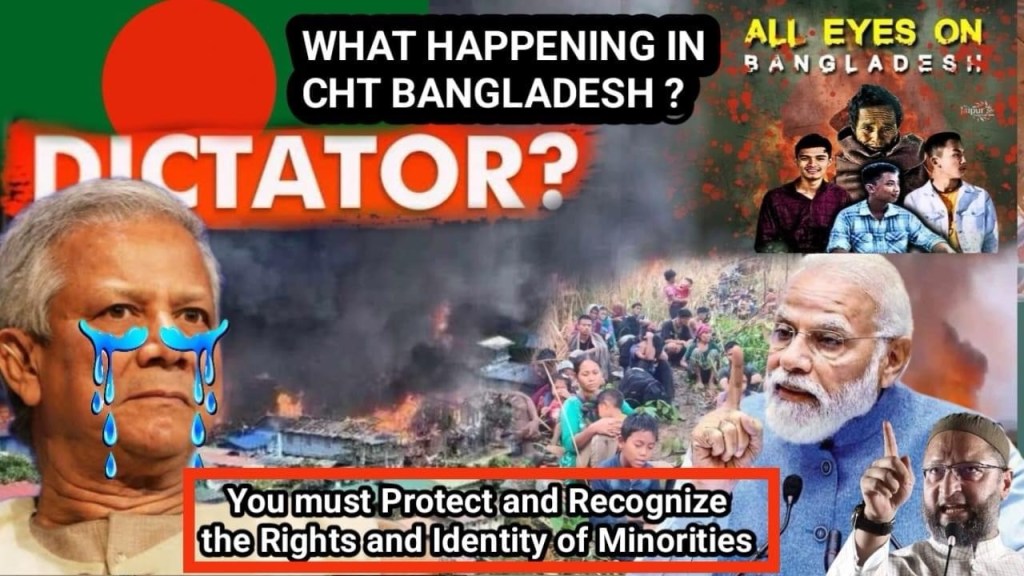
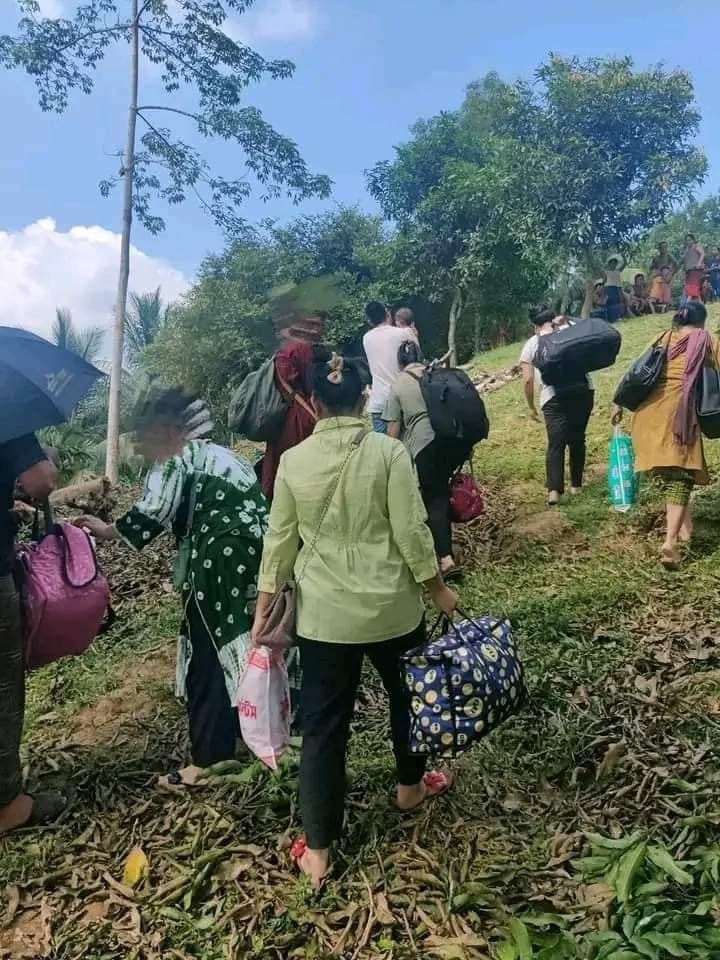
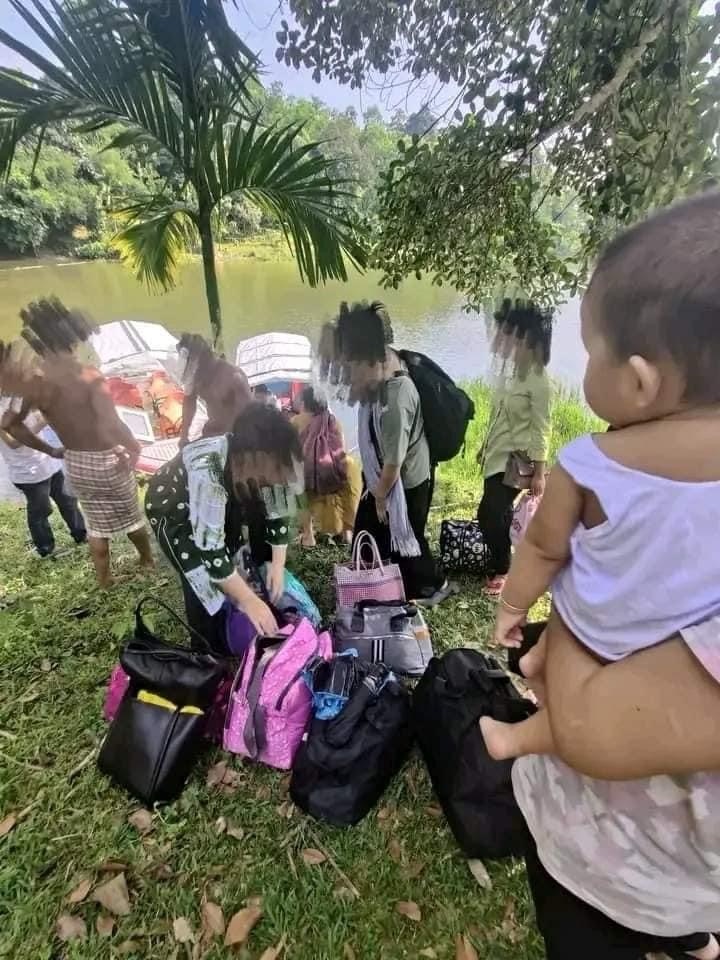
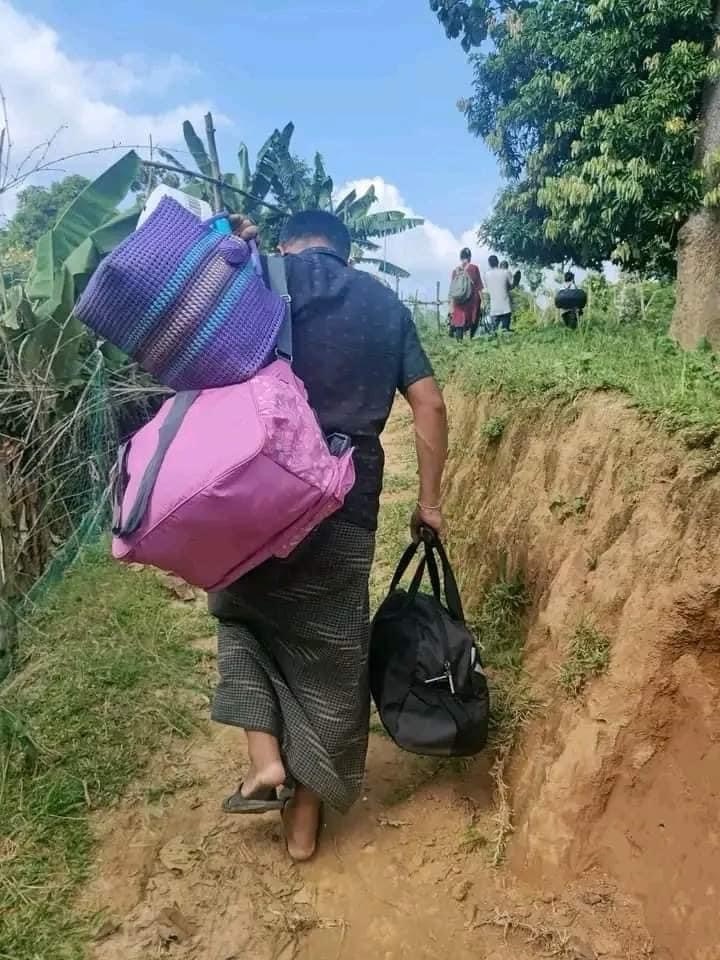
Bangladesh is once again in the spotlight due to a surge of violence targeting indigenous and minority communities, particularly in the Chittagong Hill Tracts (CHT). In recent weeks, alarming incidents have unfolded, with homes set ablaze, lives lost, and indigenous people crying for help in live videos. This video delves into the reasons behind this violence, the government’s response, and the pressing demands for justice and recognition of minority rights.
What Is Causing the Violence?
The unrest in Bangladesh, particularly in the CHT region, stems from deep-rooted ethnic tensions between indigenous groups and Bengali settlers. The indigenous Jummo people, who have historically faced marginalization and exclusion, are once again under siege by violent mobs. The recent attacks, fueled by communal tensions and political instability, have resulted in widespread destruction of homes, shops, and even religious sites.
Interim Government gives magisterial and policing powers to Bangladesh Army .
Interim Government Grants Powers to the Army
On September 17, 2024, the interim government of Bangladesh, in a controversial move, granted magisterial and policing powers to the Bangladesh Army for the next 60 days. This decision, issued by the Ministry of Public Administration, has raised concerns about the potential misuse of power and the military’s role in the escalating violence in the CHT. Critics argue that this empowerment of the Army has emboldened Bengali settlers to attack indigenous communities with impunity.
Indigenous Communities Protest: The “March for Identity”.
In response to growing tensions and the denial of their rights, indigenous students from the CHT organized a historic protest on September 18, 2024, under the banner of the Sanghat O Boishamyo Birodhi Pahari Chhatra Andolan (Anti-Conflict & Discrimination Tribal Students Movement). Titled the “March for Identity”, this peaceful protest in Khagrachari saw the participation of approximately 40,000 tribal people. The march was a powerful call for the recognition of indigenous rights and identities, highlighting the need for justice and equality in Bangladesh.
Triggering Events: A Mob Lynching and Its Aftermath
The violence took a deadly turn on September 19, 2024, when a Bengali settler, Md. Mamun, accused of habitual theft, was lynched by a mob of fellow Bengali settlers in Khagrachari. Despite confirmation from Army personnel that multiple theft charges had been filed against Mamun, his death was used as a pretext for a large-scale, organized attack on the indigenous Jummo people.
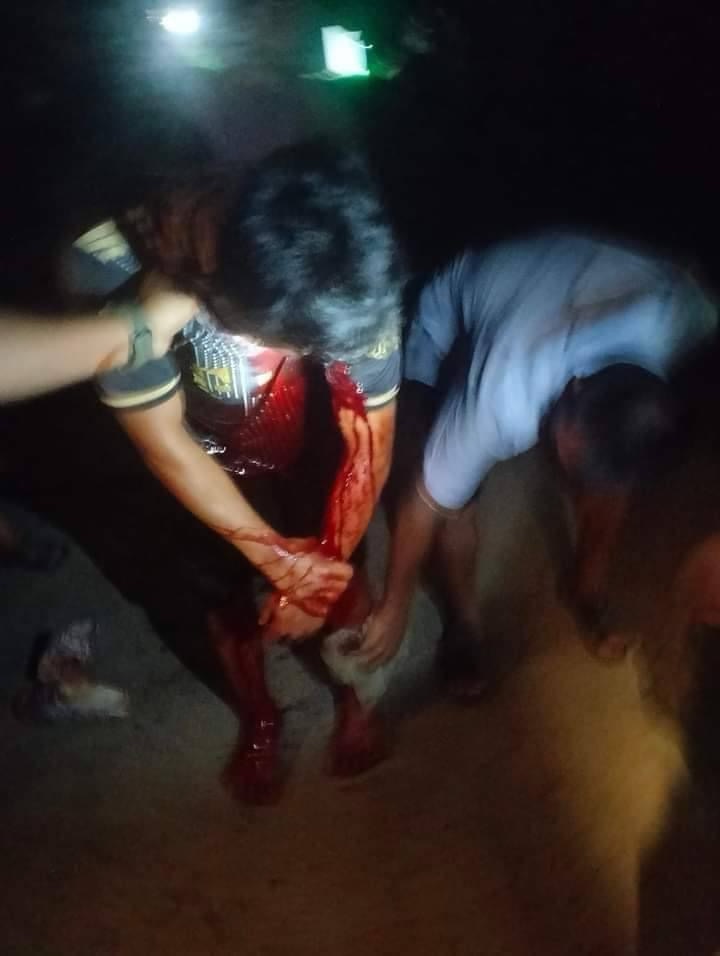
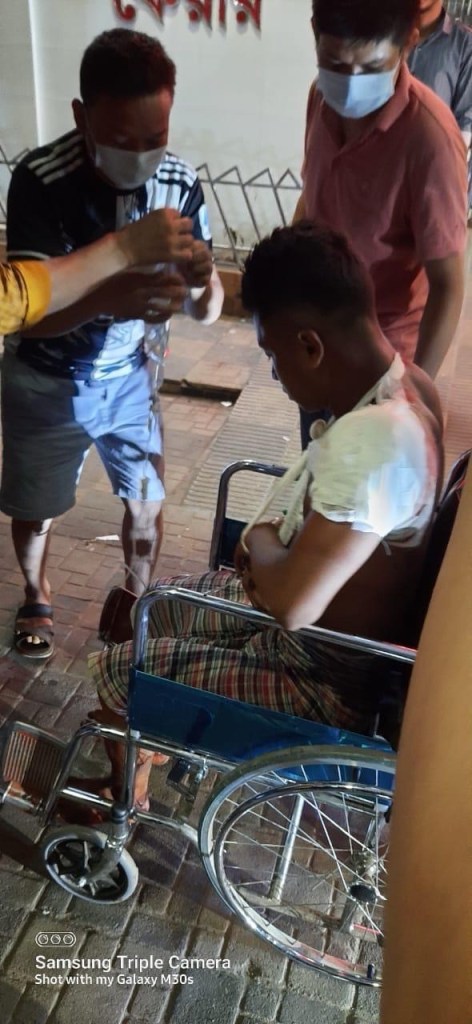
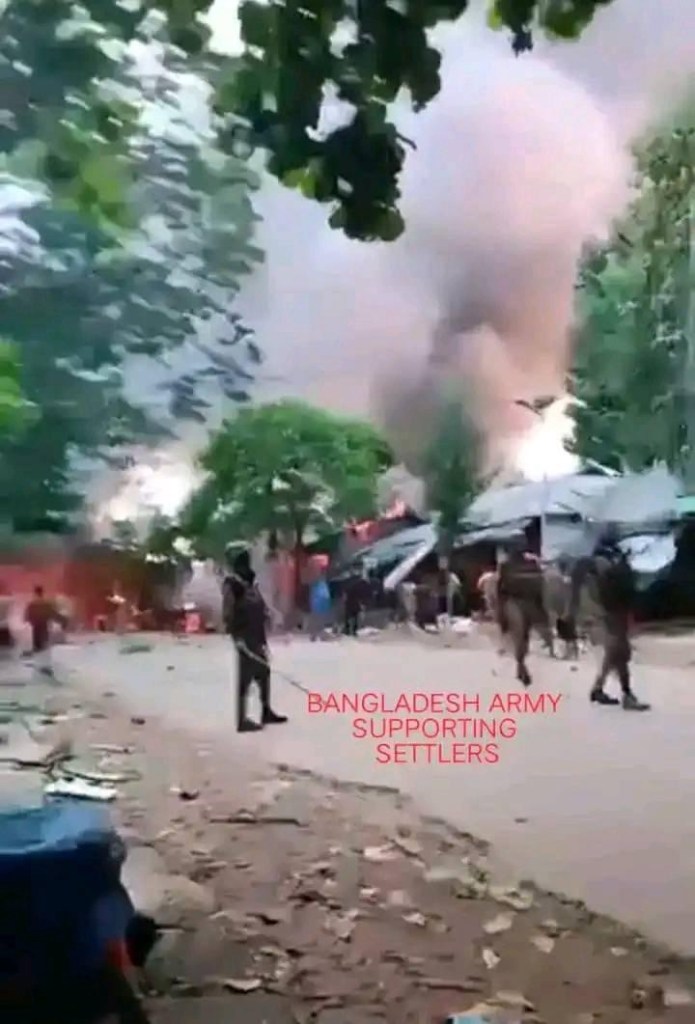
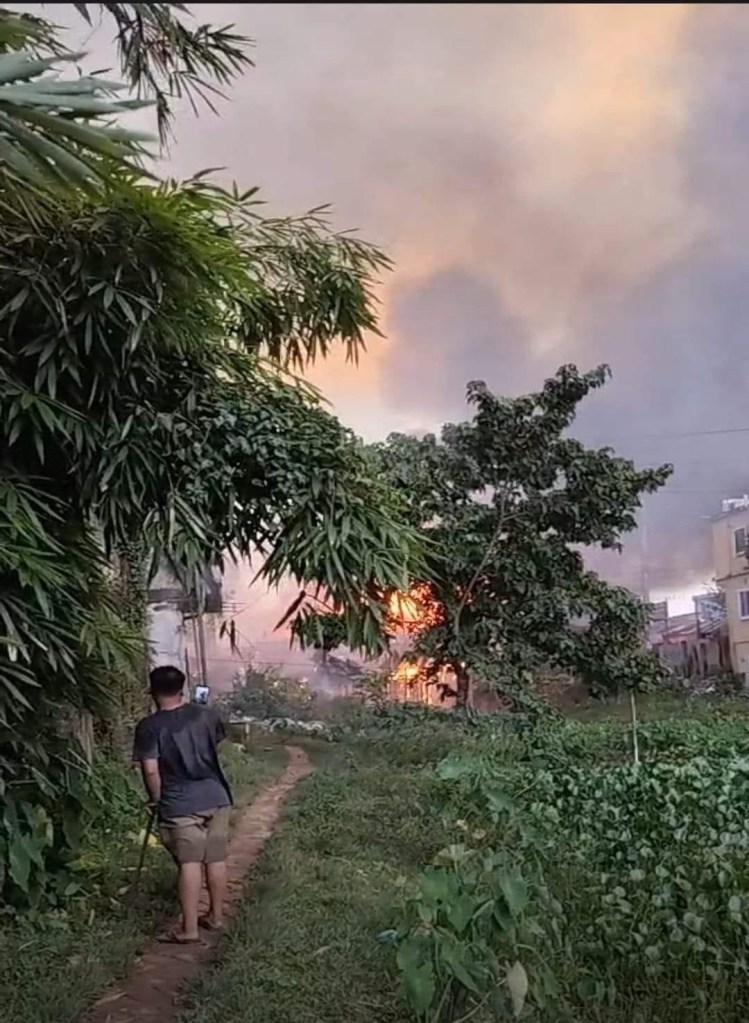
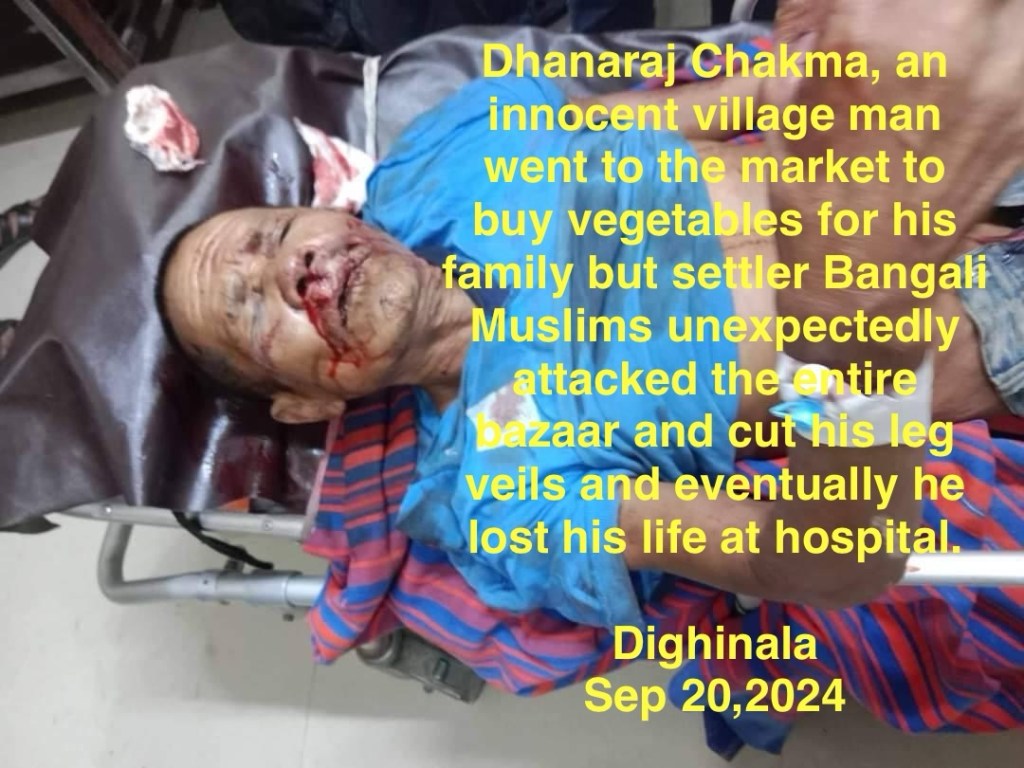
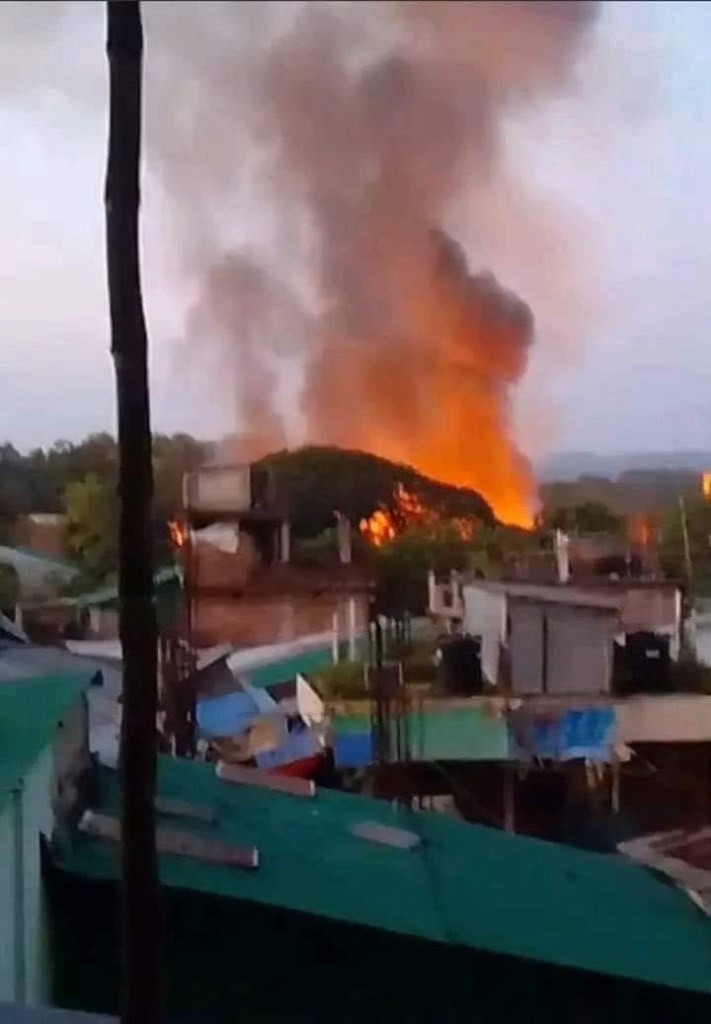
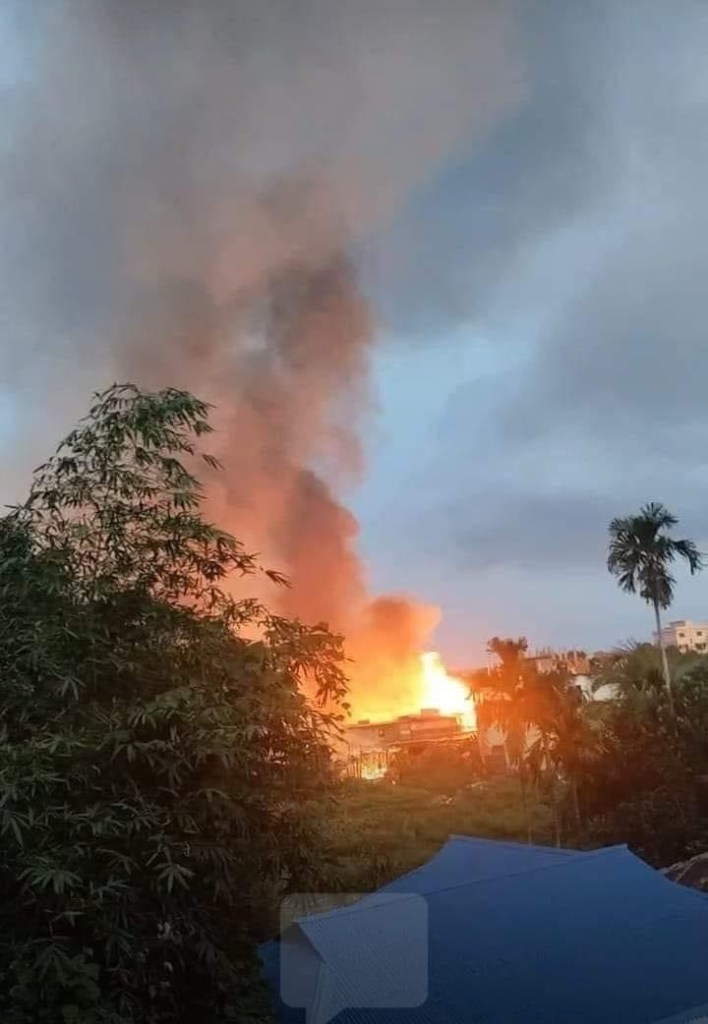
Thousands of Bengali settlers, reportedly backed by the Army, launched a rampage in Dighinala Sadar, torching over 100 houses and shops belonging to indigenous families. Armed mobs killed one indigenous man, while many others were injured. In a disturbing tactic, mosque loudspeakers were used to falsely claim that indigenous people were attacking mosques, inciting panic and provoking further violence.
Continued Violence in Rangamati
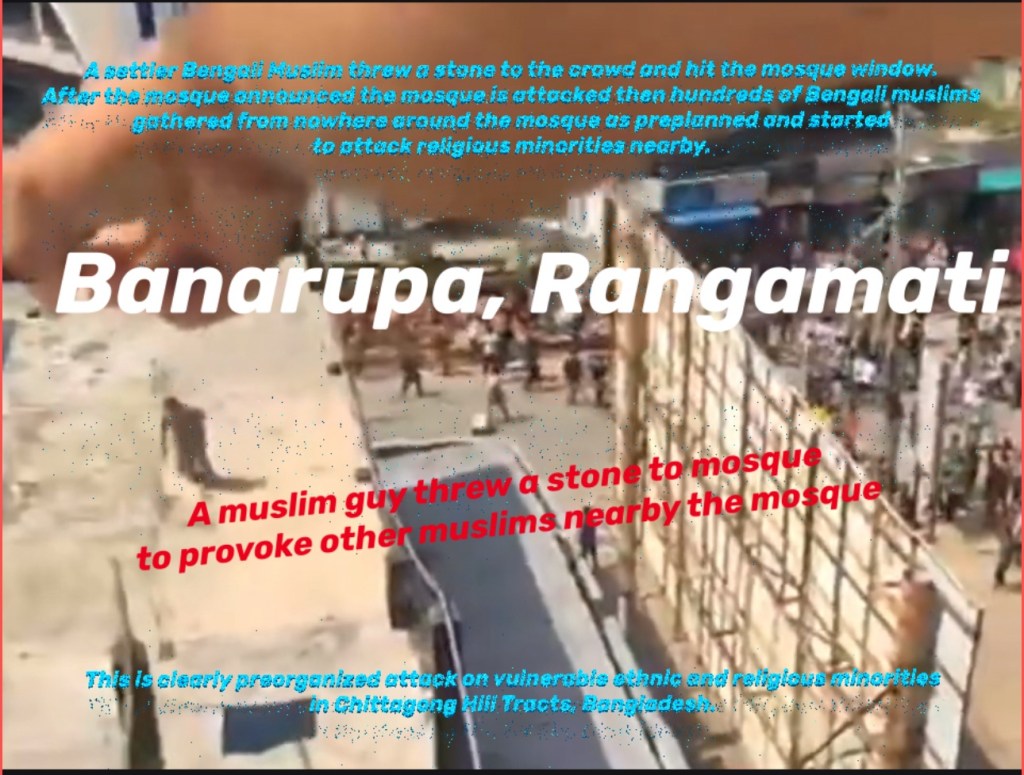
The unrest continued in Rangamati district on September 20, 2024, when Jummo Youth Organized a peaceful protest in response to the attacks. However, they were met with stone-throwing by Bengali settlers. It was seen that Bengali Muslim was throwing stone towards mosque to provoke others bengali muslims.Once again, mosque loudspeakers were falsely used to spread rumors that Jummo people were planning to attack a mosque, prompting a wave of panic. Bengali settlers set fire to homes and businesses owned by Jummos in Banarupa, Champaknagar, and Bijon Soroni.
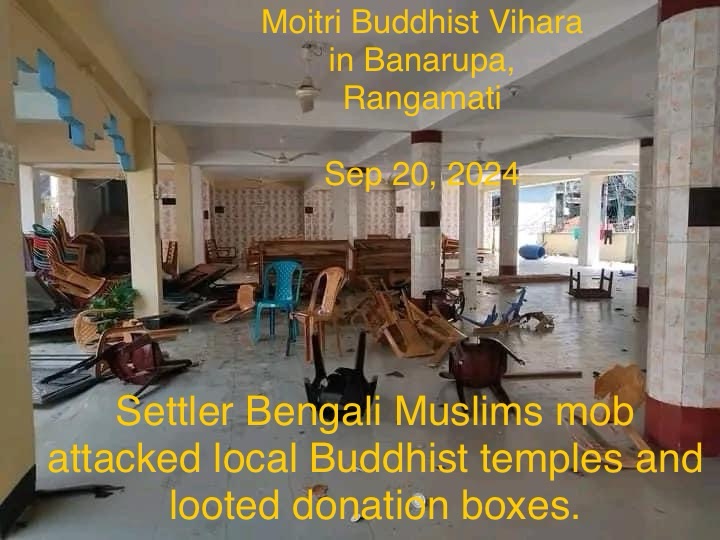
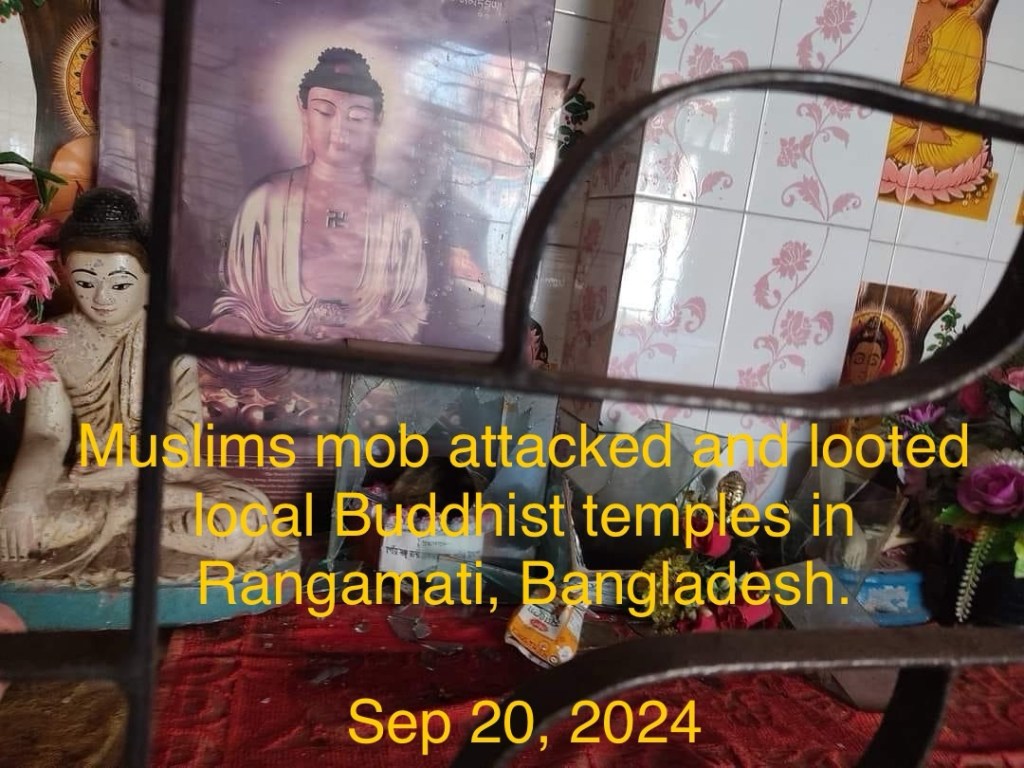
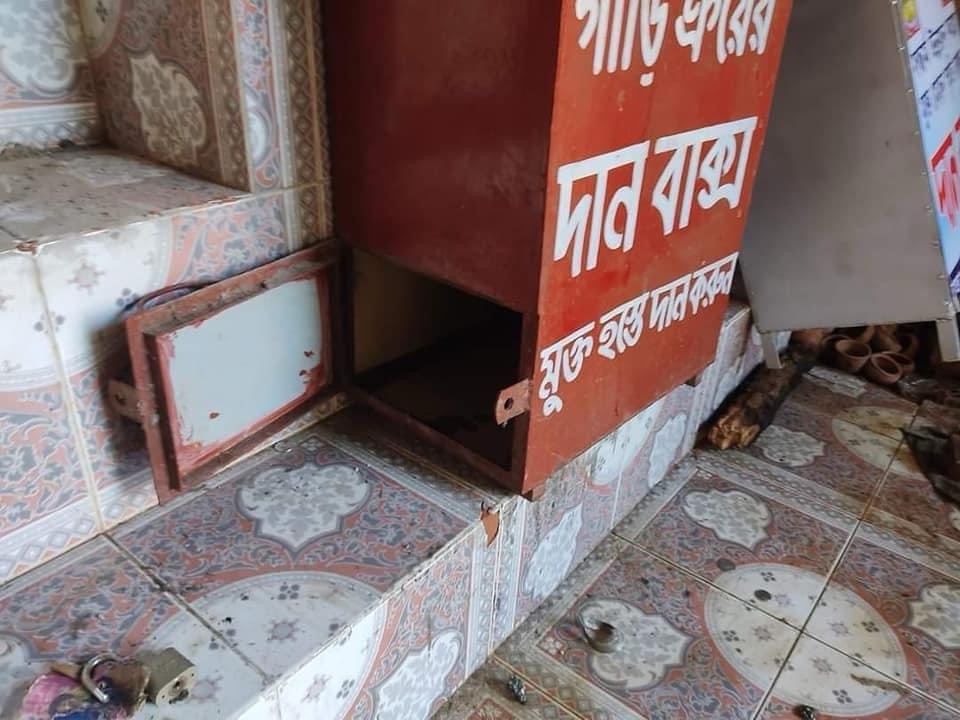
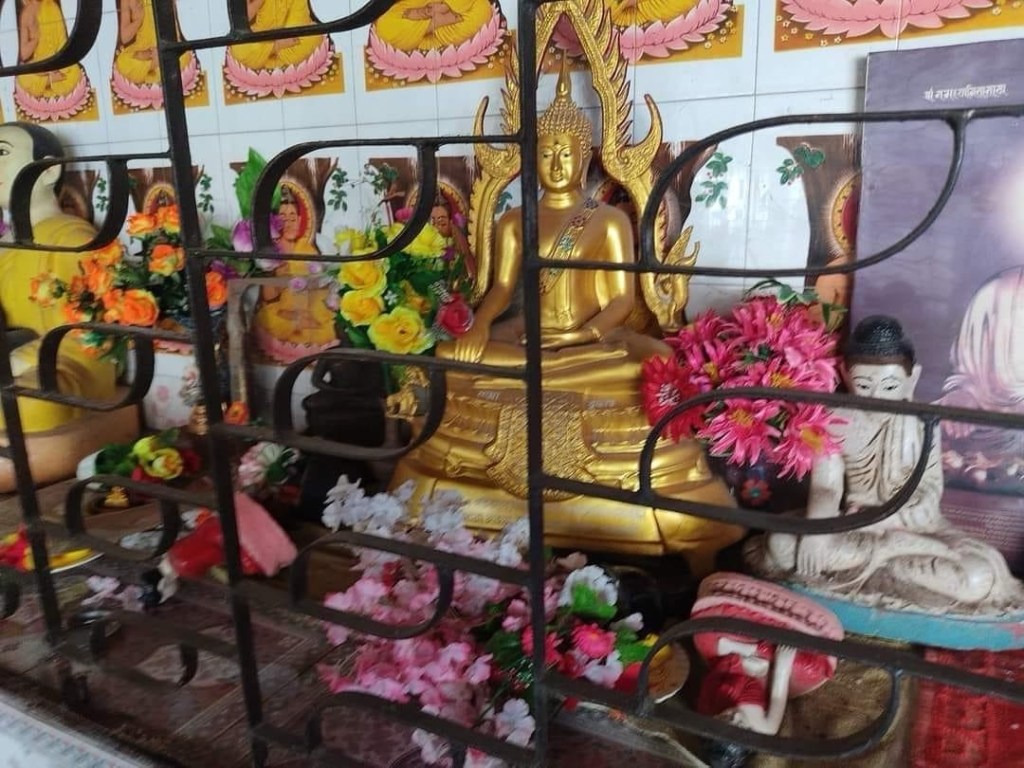
During these attacks, key offices such as the CHT Regional Council Chairman’s office and the Parbatya Chattagram Pahari Chhatra Parishad office were set ablaze. The Kathaltali Moitri Bihar Buddhist temple was vandalized and looted (10lakhs ) from donation boxes . Two indigenous youths were tragically killed in Rangamati as a result of the violence.
Burned Properties:
Over 100 homes, entire minorities maket (shops) , and offices were set ablaze, including the office of the Jana Samhati Samiti, grocery stores, restaurants, pharmacies, and even Buddhist temples.
List of those killed in the attacks:
Khagrachari district
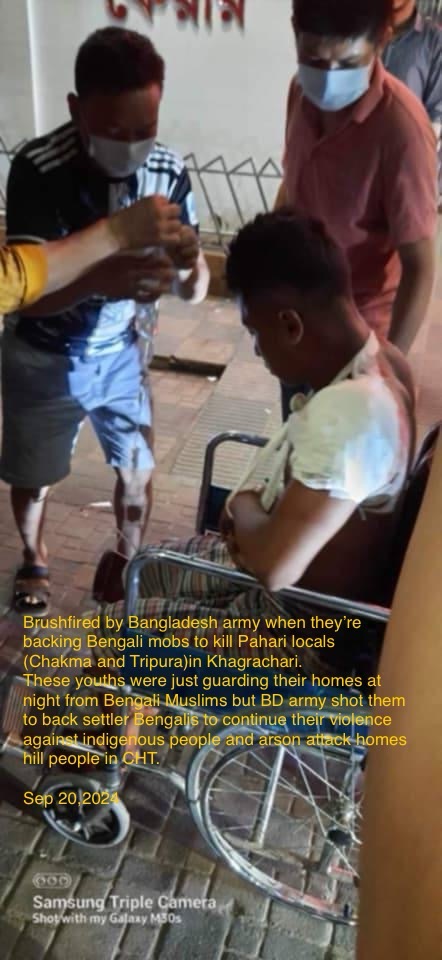
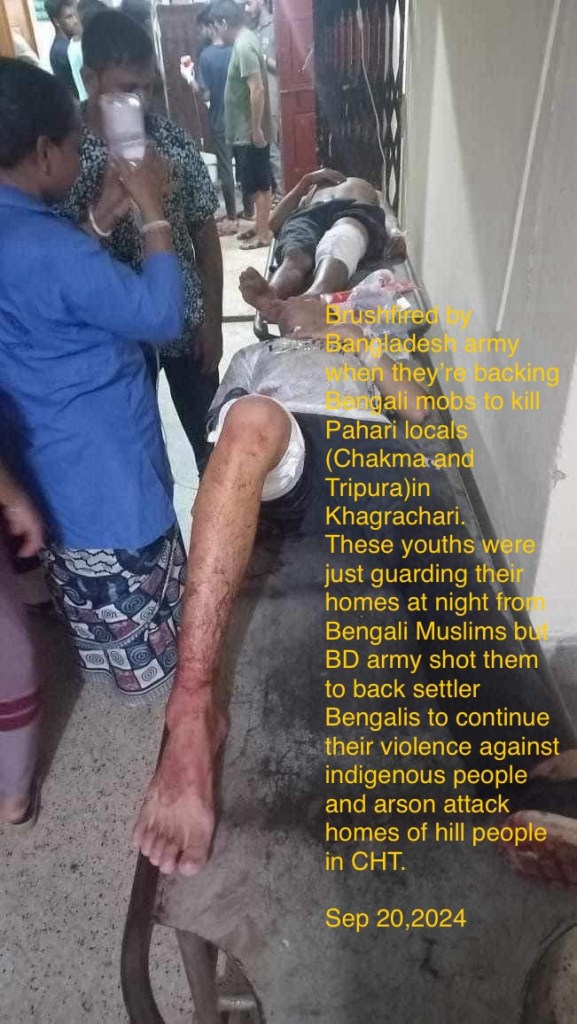
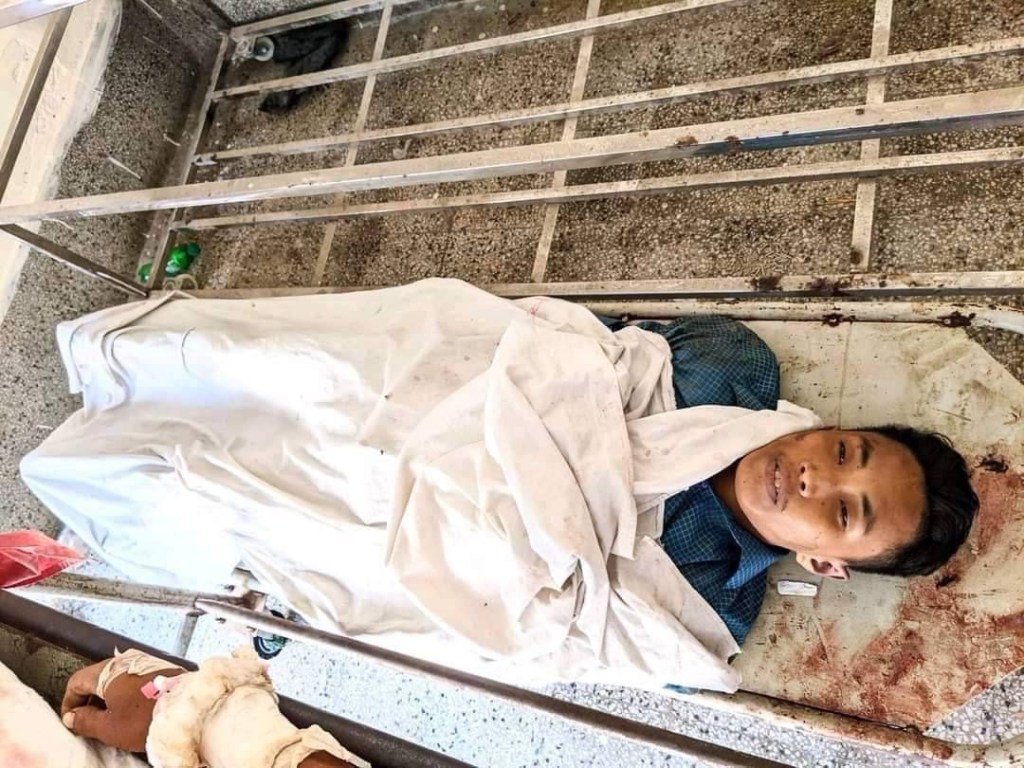
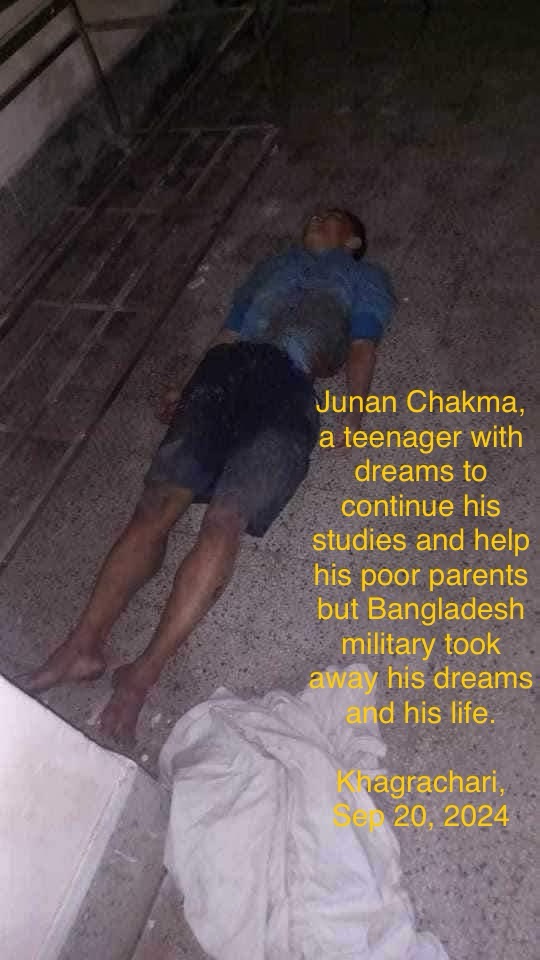
- Junan Chakma (20), son of unknown, address-Khagrachari Sadar, is a college student. He was killed in firing by Army in Khagrachari Sadar
- Deepta Chakma (22), a student. Resident of Jamatali, Perachara Union. He was killed in firing by Army in Khagrachari Sadar
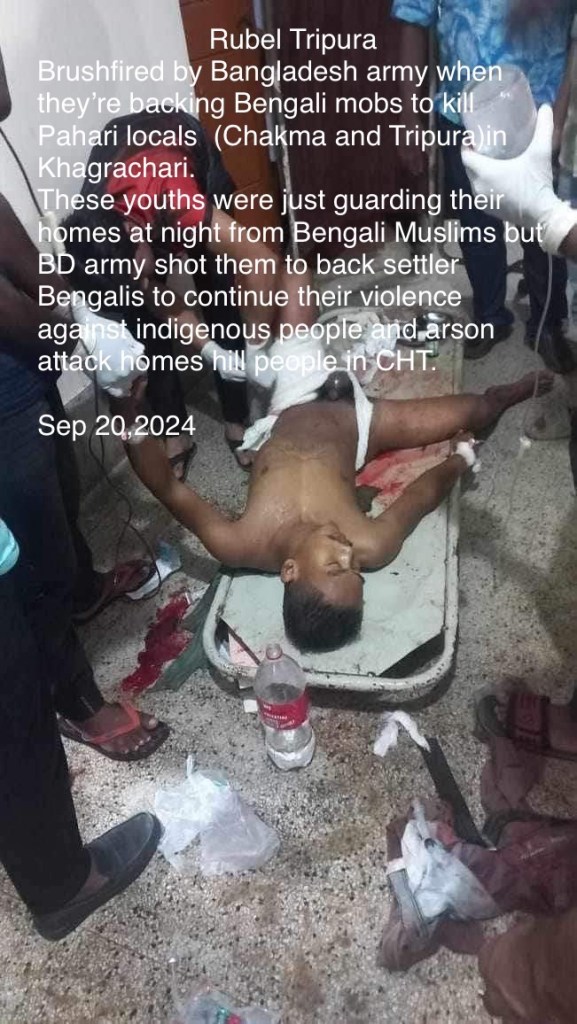
- Rubel Tripura (30 years), Address-Khagrachari Sadar. He was killed in firing by Army in Khagrachari Sadar
- Dhananjoy Chakma (50 years), village-Udolbagan, Dighinala Sadar. He was killed by Bengali settlers in Dighinala
Rangamati district
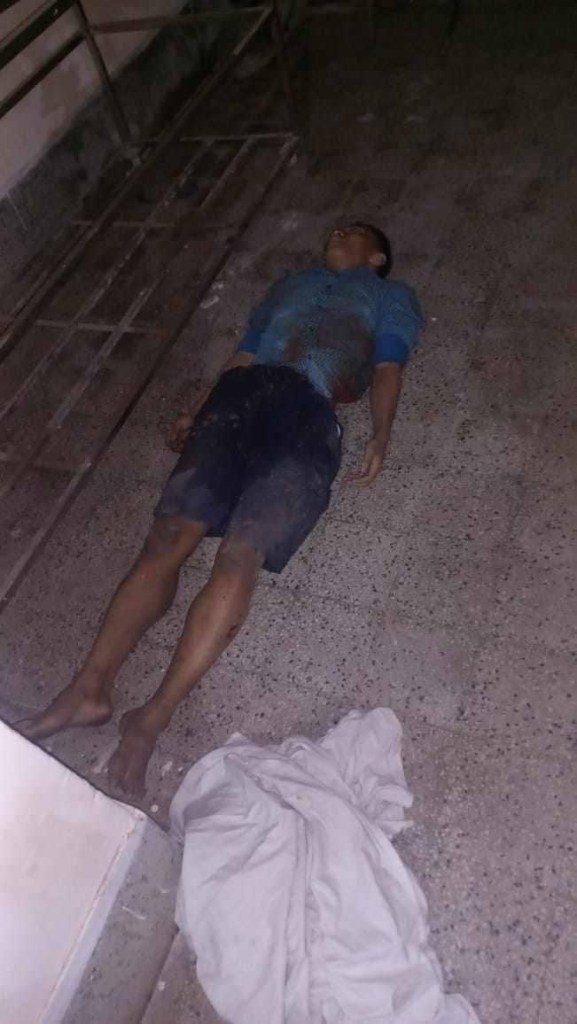
- Kalamani Chakma (18), son of Adar Sen Chakma, Village-Noapara, Mogban Union, Rangamati Sadar Upazila. He is a Ist year student of Rangamati Government College. He was killed in an attack by Bengalis settlers in Banarupa area.
- Anik Kumar Chakma (21 years), a student and resident of Rangamati. He was killed by Bengali settlers
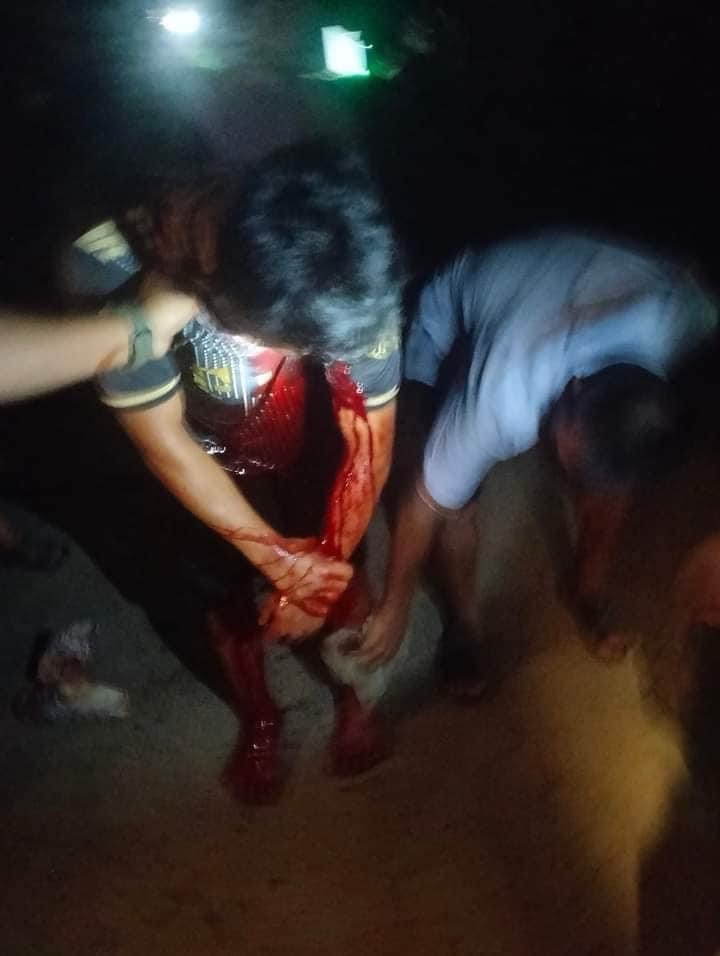
LIST OF INJURED PERSON
1) Jyotishwar Tripura, Son of Manjit Tripura, Village-Chelachara, Khagrachari Sadar;
(2) Sohail Chakma, S/o Sumangal Chakma, Village Dharmapur, Khagrachari Sadar;
(3) Mr Knowledge Chakma, S/o Nikonjoy Chakma. Village Dharmapur, Khagrachari Sadar; (4) Mr Bijay Chakma, S/o- Jhantu Chakma, Village Giriful, Khagrachari Sadar;
(5) Mr Anand Chakma, S/o-Late Chandra Kumar Chakma, Village Dharmapur, Khagrachari Sadar:
(6) Mr Sujan Tripura, S/o- Sahadeva Tripura village Gomti, Matiranga;
(7) Mr Pahel Dewan, S/o Marma Bakul Chakma, Village Dharampur, Khagrachari Sadar.
HOUSES/SHOPS/OFFICES WERE BURNT:
(1) office of the Jana Samhati Samiti,
(2) Paranase grocery stores;
(3) Happy Mother Shop;
(4) Mintu’s shop;
(5) Ranya Hotel;
(6) Dr Jugal Chakma’s chamber;
(7) shop of Preeti Chakma
(8) Jumghar Hotel;
(9) Shikha Baap shop;
(10) Rakhine Hotel;
(11) Pharmacy (Suman Chakma);
(12) Mobile Shop (Kusum Kanti Chakma);
(13) Tea and Grocery Shop (Swapan Tripura); (14) Maini Cooling Corner (Development Shop); (15) Jummabi Restaurant (Maini Bridge);
(16) Triratna
Protests in India and International Reactions
The violence in Bangladesh has sparked protests in various parts of India, including Mizoram, Tripura, Delhi, Arunachal Pradesh, and Maharashtra. Demonstrators in these regions, many of whom share ethnic ties with the indigenous people of CHT, have expressed their outrage and solidarity with the victims.
The international community has also weighed in, with Amnesty International and the US Embassy condemning the attacks and urging Bangladesh to protect its minorities. Recently Indian Prime Minister Narendra Modi has expressed concern over the continuous violations of minorities rights and situation of Bangladesh while Indian Muslim leader Asaduddin Owaisi has called on Bangladesh to uphold its obligations to protect indigenous communities and ensure their safety.
SYSTEMATIC HARASSMENT OF MINORITY CONTENT CREATORS IN BANGLADESH: A GROWING CONCERN.
Bangladesh has witnessed a disturbing trend of systematic harassment against minority content creators, vloggers, and social media influencers. This alarming phenomenon aims to suppress their freedom of speech and expression, intimidating them into silence.
The Nature of Harassment
Minority content creators face organized attacks from Bangladeshi individuals and groups, who employ various tactics to silence them. These include:
- Fake propaganda videos and negative narratives spread through social media
- Mass reporting to Facebook, resulting in disabled, hacked, or deleted pages
- Threats, including rape threats, forcing creators to delete content and apologize
- Cyberbullying and online intimidation
Consequences and Impact
The harassment has led to:
- Deletion of critical content and posts
- Apologies from creators for speaking out
- Fear and self-censorship among minority voices
- Financial and mental distress for targeted individuals
The Role of Hackers
A group of Bangladeshi hackers has openly challenged content creators and indigenous communities, boasting of their ability to silence them. This brazen threat underscores the severity of the issue. They also claimed that they have hacked many Indian websites during water floods.
International Community’s Response
Human rights organizations and advocacy groups have condemned these actions, emphasizing the importance of protecting freedom of expression. The international community must:
- Pressure to Recognize identity and rights of indigenous people’s of Bangladesh .
- Pressure Bangladeshi authorities to take action against perpetrators
- Support minority humans rights activists and content creators through solidarity and resources
- Promote digital literacy and cybersecurity awareness
Demands from Indigenous Leaders
In response to the violence, indigenous leaders and human rights groups have issued a series of demands to the Bangladesh government, including:
- Full implementation of the CHT Peace Accord, which guarantees the protection of indigenous rights.
- Withdrawal of military forces from the CHT region, as their presence has exacerbated tensions.
- Recognition of the distinct identities and rights of indigenous communities in Bangladesh.
- Compensation for victims of the attacks based on their losses.
- Formation of an independent investigation committee to hold accountable all those responsible for the violence, including Army personnel.
Conclusion: Calls for Urgent Action
The recent attacks on indigenous communities and minority content creators in Bangladesh have exposed the systemic discrimination and violence faced by these groups. The demands for the CHT Peace Accord to be implemented, the withdrawal of the military, and the recognition of indigenous rights are growing louder.
The systematic attacks, harassment of indigenous minority students, peaceful protesters,human rights activists, content creators in Bangladesh is a pressing concern. It is crucial to recognize the severity of this issue and work towards creating a safe and inclusive online environment. We must stand in solidarity with these brave individuals, advocating for their right to express themselves without fear of retribution.
Human rights groups and the international community have urged the Bangladesh government to take immediate action, hold perpetrators accountable, and ensure that such attacks do not continue. As the violence continues to spread, the world watches, hoping for justice and peace for Bangladesh’s marginalized communities.















 Chakma Digital Library